Automotive Collisions
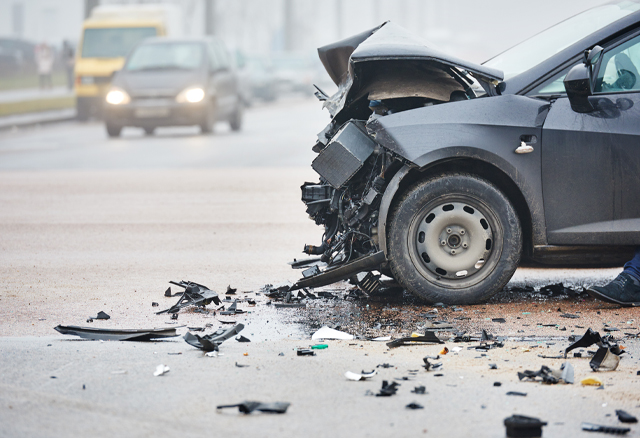
BRC possesses deep expertise in both high and low velocity collisions. Our experts account for complex injury causation factors such as multiple occupants, occupant-to-occupant and occupant-to-object interactions, impacts, intrusion dynamics, rollovers, ejections, restraint system use/non-use, occupant proximity to airbag, airbag deployment/non-deployment, and seatback design.
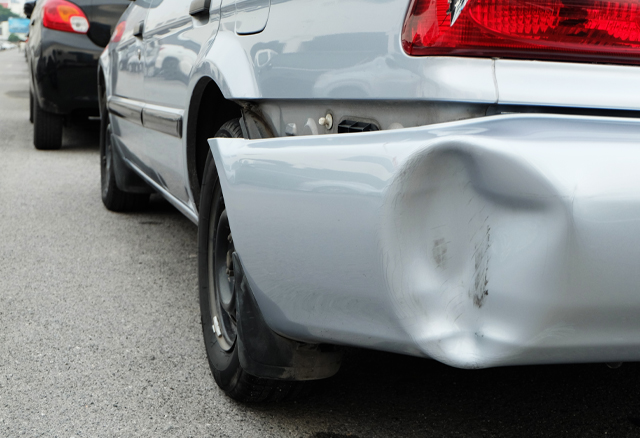
While low velocity collisions are typically less complex, they still require a thorough examination of the available evidence, an analysis of vehicle and occupant dynamics, and a review of forces. BRC biomechanic experts have extensive experience with low velocity collisions and have conducted extensive research and testing in the areas of rear and frontal impact, sideswipe and backing collisions, staged and “phantom” collisions, and all other vehicular impacts.